Have you ever wondered how your favorite moisturizer or serum is created? Behind every skincare product is a careful process that blends cosmetic science with advanced techniques. From testing ingredients to ensuring safety and effectiveness, formulating skincare relies on both knowledge and precision.
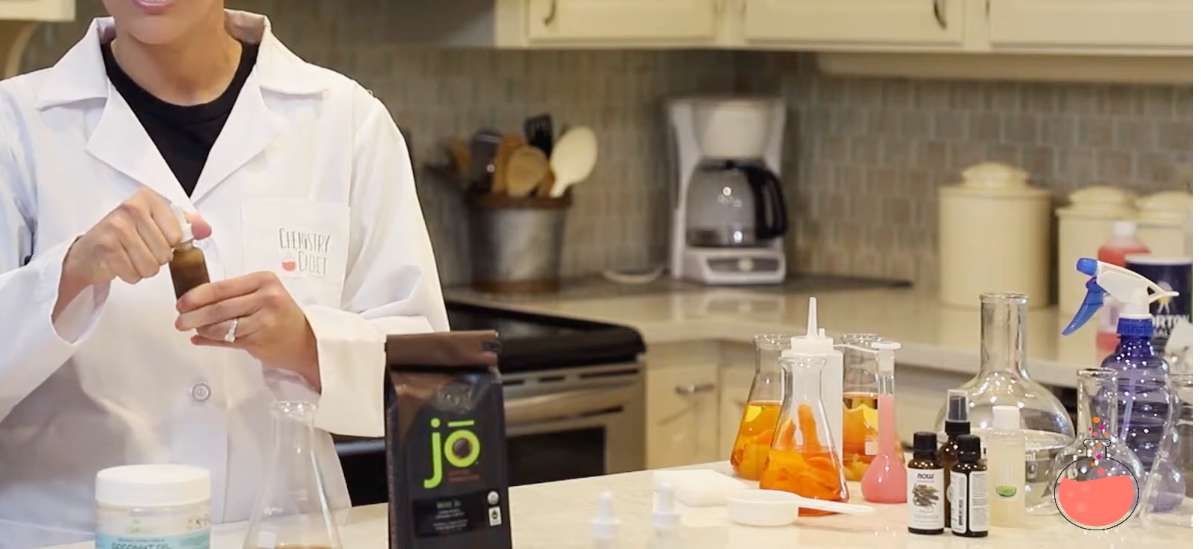
Surprisingly, many of the tools used to formulate skincare products are the same basic chemistry tools you may remember from science class.
Let’s dive into the fascinating world of skincare science and explore the essential tools used to bring these products to life.
Essential Tools for Formulation
Creating a stable and effective skincare product requires more than just mixing ingredients. Cosmetic chemists use a range of specialized tools to control the formulation process from start to finish.
Beakers and Measuring Tools
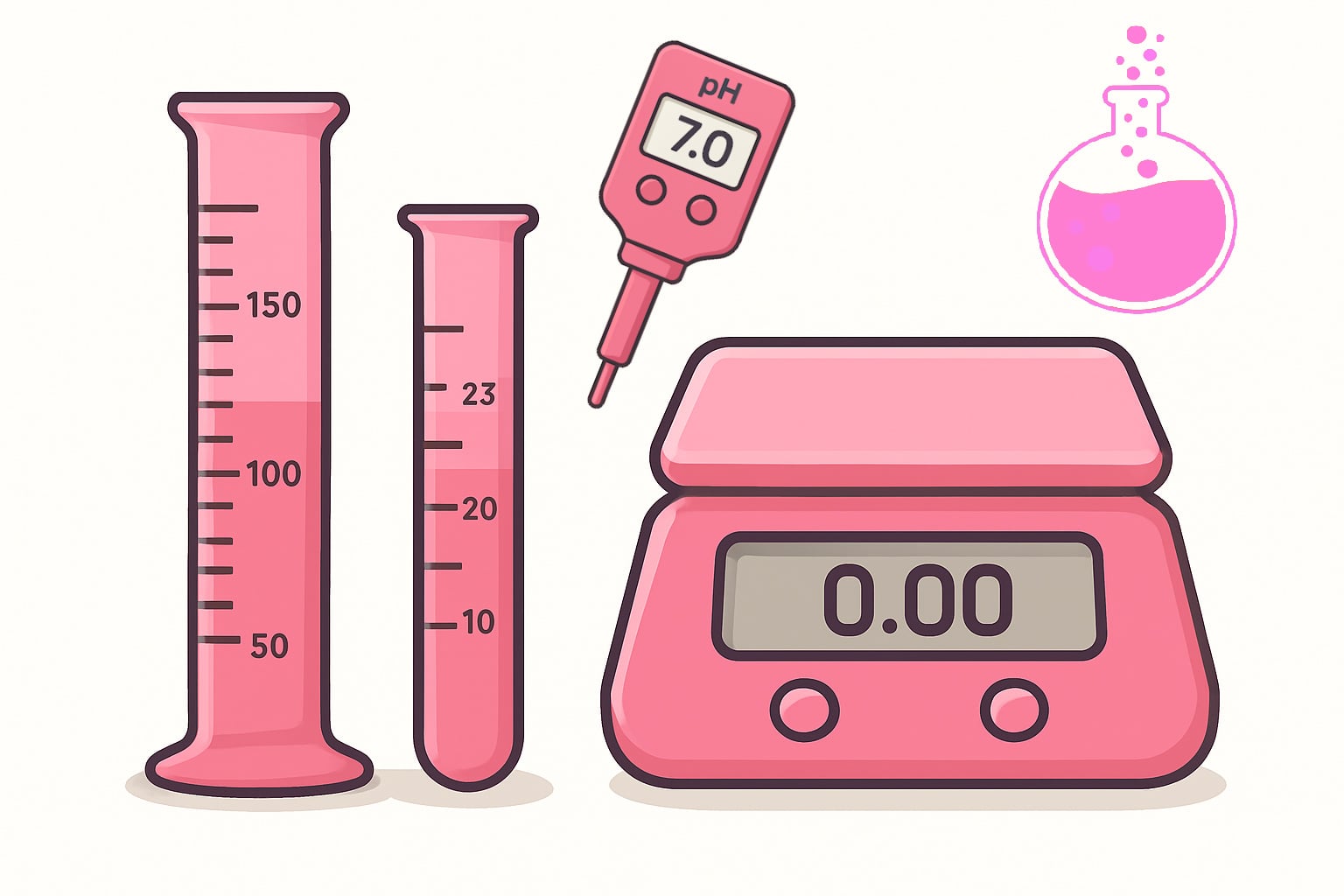
Precision is the foundation of any good formulation. Chemists use glass beakers of various sizes to hold and mix ingredients. To measure substances accurately, they rely on:
- Graduated Cylinders: For precise liquid volume measurements.
- Digital Scales: To weigh solid and powdered ingredients to the milligram.
This accuracy ensures that active ingredients are present in effective concentrations and that the product’s texture and consistency are just right.
Heating Mantles and Stirrers
Many skincare formulations, such as lotions and creams, require heating to properly combine oil and water-based ingredients. A heating mantle provides even, controlled heat, which is important for creating stable emulsions. This tool prevents hot spots that could burn or degrade sensitive ingredients.
Simultaneously, an overhead stirrer or magnetic stirrer mixes the ingredients continuously. This constant agitation is vital for achieving a smooth, uniform texture and ensuring all components fully integrate.
pH Meters
A skincare product’s pH level affects its safety and its effectiveness. A product that is too acidic or too alkaline can irritate the skin and disrupt its natural barrier. A digital pH meter gives chemists an exact reading, allowing them to adjust the formula with precision. Maintaining the optimal pH ensures the product is gentle on the skin and that active ingredients remain stable and potent.
Sterilization and Safety
Safety is paramount in skincare formulation. To prevent contamination from bacteria, mold, and yeast, a chemist must thoroughly sterilize all equipment. A laboratory autoclave is a vital piece of equipment for this task. It uses high-pressure steam to kill microorganisms on beakers, mixing vessels, and other tools, ensuring the final product is free from harmful contaminants. This step protects the consumer and improves the product’s shelf life.
Formulating for Success
Beyond the equipment, the choice of ingredients is what makes a product actually work. For example, many effective skincare products need niacinamide and hyaluronic acid to work well, as they provide hydration and support the skin’s barrier. Chemists carefully select and combine these ingredients in precise ratios to achieve the desired results.
The science behind creating your favorite skincare products is a culmination of small details and precision. By using the right tools and techniques, formulators ensure that every bottle delivers the results you expect, safely and consistently.

Chemistry Hacks For Home and Outdoors
Quick hacks to save time, money, and eliminate unnecessary chemicals!
An easy to use eBook full of over 30+ DIY solutions for cleaning inside and out!