

While cleaning your bathtub, toilet, and sink is necessary for your house chores, your bathroom walls also need proper maintenance.
Over time, walls can accumulate dirt, soap scum, and moisture, making them a breeding ground for bacteria and even mold. To keep your home properly clean, learn these top tips for cleaning your bathroom walls regularly.
👩🏻🔬 🧪Watch our science based tips in action on our Instagram page. Be sure to subscribe to notifications so you don’t miss out on all the fun things!
Dust Before You Clean
Start by removing dust and cobwebs from your bathroom walls. Using a microfiber cloth, a handy duster, or a vacuum with a soft brush attachment will gently clear away loose debris. Prepare the surface for more effective cleaning to prevent dirt from smearing when you use water.
Use a Mild Cleaning Solution
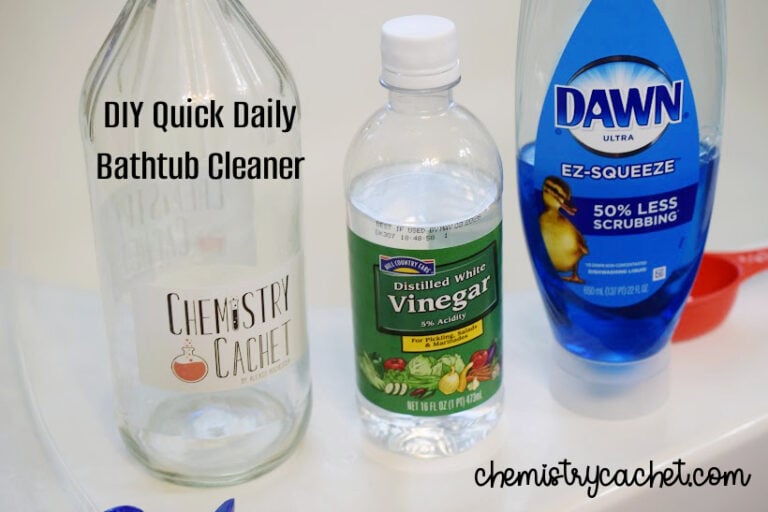
After dusting the surface, mix warm water with a gentle cleaner, such as dish soap or a vinegar solution that is one part vinegar to three parts water. Dip a soft sponge or cloth in the mixture, wring it out, and wipe down the walls. This at-home cleaner removes soap scum and grease without damaging the paint or wallpaper.
Pay Attention to Grout Lines
For tiled walls, don’t forget the grout! Grout can harbor bacteria and dirt, so scrub the grout lines using a small brush, like an old toothbrush, with your cleaning solution.
If you see discoloration, it might indicate signs of mold in your home, which requires immediate and thorough attention to prevent it from spreading and causing health issues. Use a mold-specific cleaner or a mixture of bleach and water to scrub the affected areas.
Rinse and Dry Completely
After cleaning, rinse your walls with a damp cloth or sponge soaked in clean water to remove any residue from cleaning agents. Once rinsed, dry the walls thoroughly with a clean, dry towel to prevent further moisture buildup. Regularly clean your bathroom walls at least once a month. If you notice visible grime and mold, remove debris every one to two weeks.
Deal With Stubborn Stains Carefully
For tough stains like mildew, mix baking soda with water to form a paste and clean the area. Gently scrub the stained area with the paste using a soft cloth or sponge, and avoid scrubbing too hard, as this could damage paint or wallpaper.
Use Ventilation to Prevent Buildup
Installing or regularly using an exhaust fan helps keep your bathroom free of excess moisture. Keep the fan running during and after showers for at least 15 minutes. This habit reduces the chance of wall grime and prevents future repairs on your drywall due to water damage.
If you notice persistent stains, a foul odor, or widespread discoloration, these could indicate a deeper issue that requires professional intervention. Professionals can effectively assess and treat mold and moisture problems, so don’t hesitate to reach out for help if cleaning isn’t resolving the issue. By incorporating these cleaning techniques, you’ll have a pristine and healthy home for you and your family.
Don’t Miss These Other Important Bathroom Cleaning Tips:
- How To Clean Your Bathroom Quickly Like A Pro
- Glass Shower Door Cleaning Hacks
- Toilet Cleaning Hacks

Chemistry Hacks For Home and Outdoors
Quick hacks to save time, money, and eliminate unnecessary chemicals!
An easy to use eBook full of over 30+ DIY solutions for cleaning inside and out!














I painted the grout with latex paint….and mildew never grew back…I repainted only those parts where the paint came off . Really this is a great hack.