
I have a great guest post for you today while I am out of town!
Enjoy!

As gardeners, we all want our plants to produce large, quality produce. We water consistently, we fertilize, and we tend to our plants so that they have the best possible chance for thriving. Those are all vital steps in the gardening process, but one that is vastly overlooked is pollination.
According to the National Resource Conservation Service, three-quarters of the world’s flowering plants and 35% of the world’s food crops depend on bees, birds, butterflies and moths, and other small insects to reproduce. Pollinators play one of the most important roles in our gardening experience, and yet, many times we forget to cater to them! That’s why creating an environment for pollinators should be one of our top priorities as gardeners.
Unfortunately, pollinators of every type are in trouble because their habitats are being stripped away, disease is rampant, and improper insecticide use. So, what is the number one thing we can do to help our local pollinator populations? Create an environment for them!
How to Create an Environment for Pollinators
Plant to Attract Pollinators
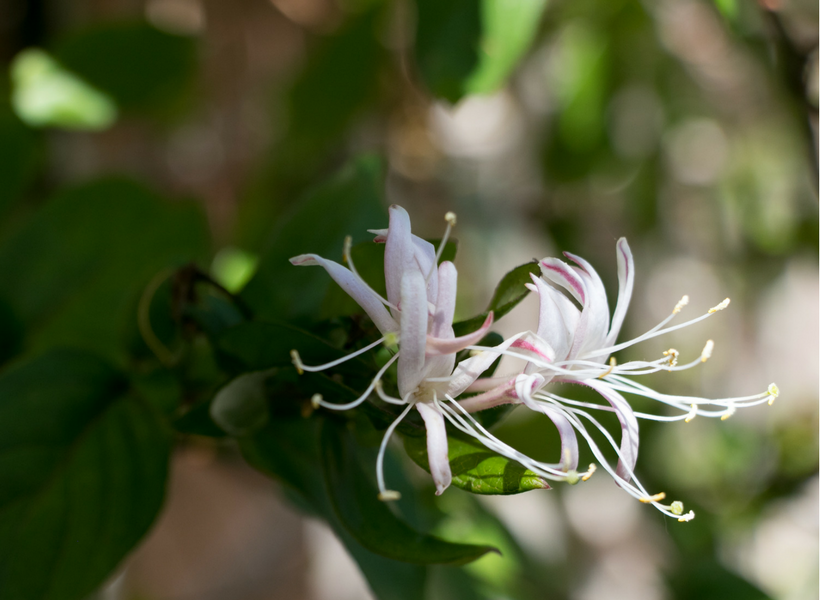
Adding plants such as alyssum, bee balm, honeysuckle, and other flowering plants is a fantastic way to attract pollinators. Pollinator.org has wonderful suggestions on specific plants catered to your individual climate. By choosing pollinator friendly plants for your landscaping, you’re promoting a healthy habitat for pollinators and adding to the aesthetic of your land – pollinator friendly plants are beautiful for you, too!
Add a Water Source
Pollinators need water, too. In a shady area, add a dish with water or a bird bath. You can add in corks or small floating foam pieces to encourage insects to land and drink, too. It’s all about creating an environment – and water is one of the most vital pieces in any environment.
Add a Bird Feeder
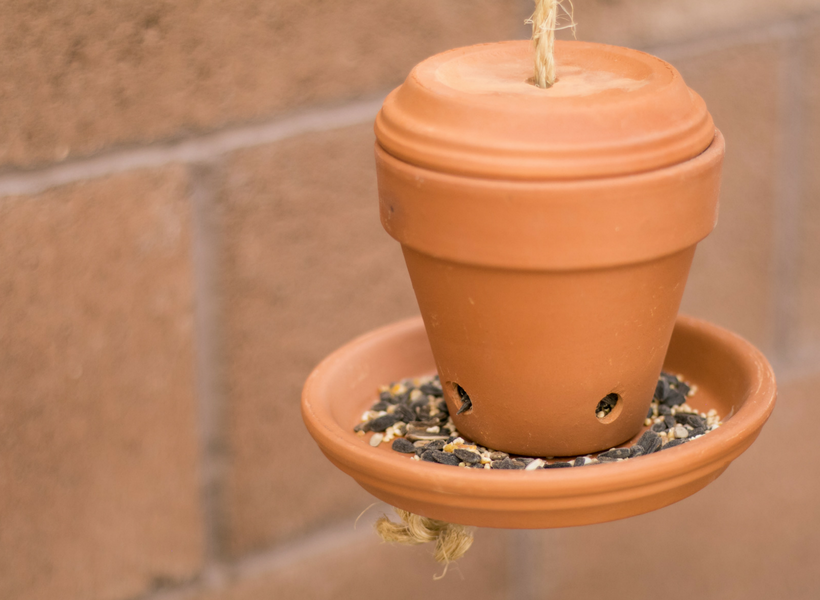
In addition to flowering plants and a water source, consider adding bird feeders to your garden. Songbirds can be great pollinators and you can create an easy songbird feeder for less than $10.
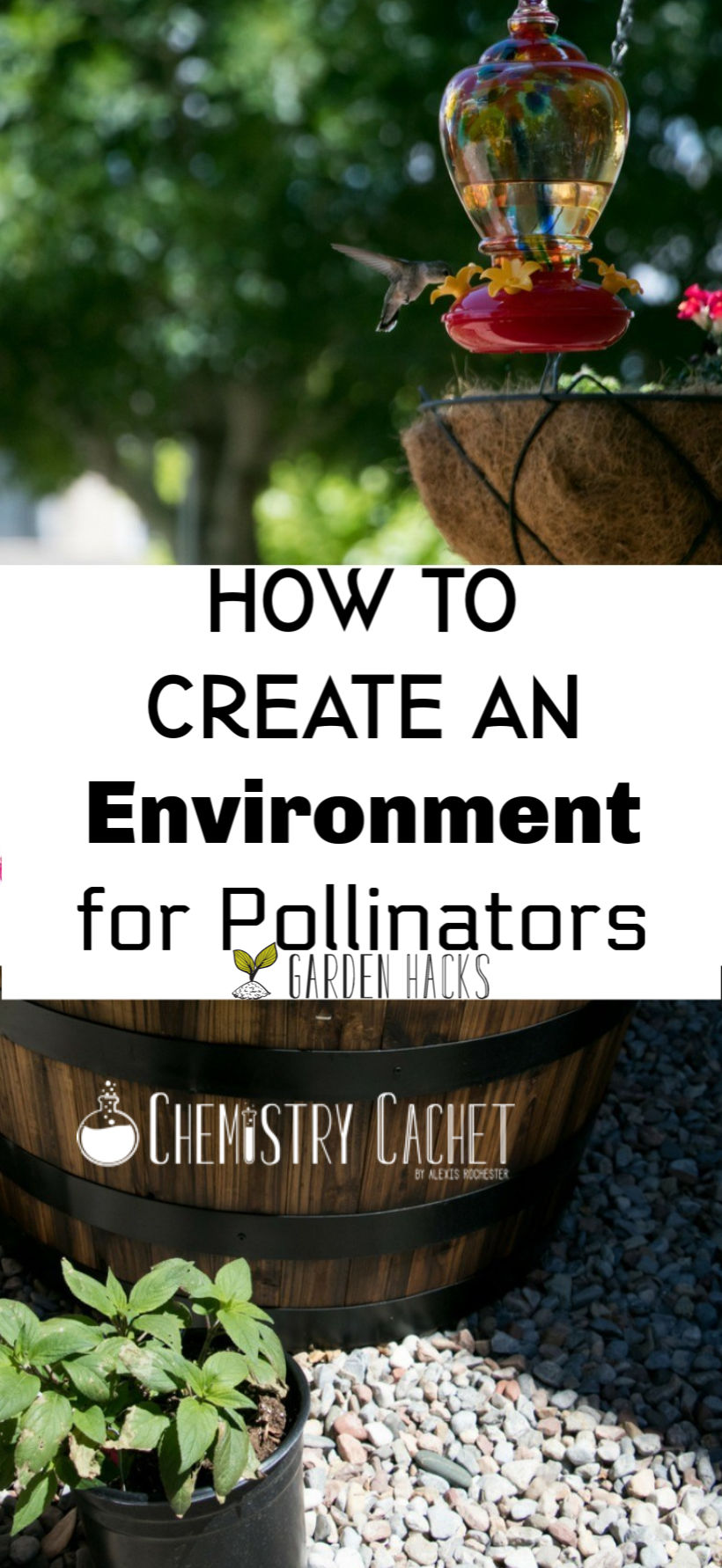
Hummingbirds are fantastic, too! A hummingbird feeder will further attract hummingbirds to your garden. They’ll feed on the nectar, and likely on the flowers you’ve planted. As they buzz about your garden, they’ll pollinate your edible plants, too. It’s a win-win. You get to enjoy the company of songbirds and hummingbirds and they help your plants produce!
Think Twice Before Using a Pesticide
Unfortunately, helpful pollinators are victims to overuse or improper use of pesticides, even on a small scale in your backyard. Think twice before using any “-cide” in or around your garden. If necessary, do research to see what product will be less harmful to your local pollinator population. This is why we LOVE our homemade weed killer and this homemade fungicide. Your local nursery or county extension agent may be good resources for this.
Give them Refuge
One of the basic needs of life is shelter, and pollinators are no different. Plant dense shrubs or trees for your pollinators to take shelter. A pollinator friendly environment is nothing if there’s no place for pollinators to live. You don’t just want the pollinators to pass through, you want them to have everything they need right in your garden. Create the optimal environment for them so they don’t ever have to leave.
A Healthy Garden
As a collaborative effort, we can help save pollinator resources by doing these small things in our personal gardens. These little gestures will improve the health of our own gardens and the ecosystem. Together we can make a difference and make the world a prettier place.
Now you know how to create an environment for pollinators!
Jaelan Mincey graduated Texas A&M in 2012 and now writes DIY, home, and garden articles for the everyday woman. Living in the mountains of New Mexico, she’s passionate about gardening, the outdoors, and animals.

Follow on Facebook | Bloglovin | Twitter | Instagram | Pinterest | Hometalk

Chemistry Hacks For Home and Outdoors
Quick hacks to save time, money, and eliminate unnecessary chemicals!
An easy to use eBook full of over 30+ DIY solutions for cleaning inside and out!













Yes to the pollinators in our world – our food supply depends on them. So sad to hear about the bees and the bee colony collapse issue… although I think they are making a slow comeback. I have bird feeders and baths in my back yard, plus the flowers from the fruit tree. In the front there are the massive blooming hedge and the rose bushes.
That is so sad! They are such an important aspect of our gardens and environments!
Another great post
She did a great job 🙂
I always see hummingbirds out by our pool but even with a feeder they never come by my house! <3, Pamela Sequins & Sea Breezes
Hummingbirds are definitely my favorite!
Yes to all of this! I love bird feeders, and hate hate hate pesticides! Hope you’re having an amazing vacay <3
Green Fashionista
It’s been wonderful so far!