Your home should be a place where you can relax, recharge, and feel safe. But depending on the age and condition of your home, there may be hidden hazards lurking behind walls, under flooring, or even in the air you breathe.
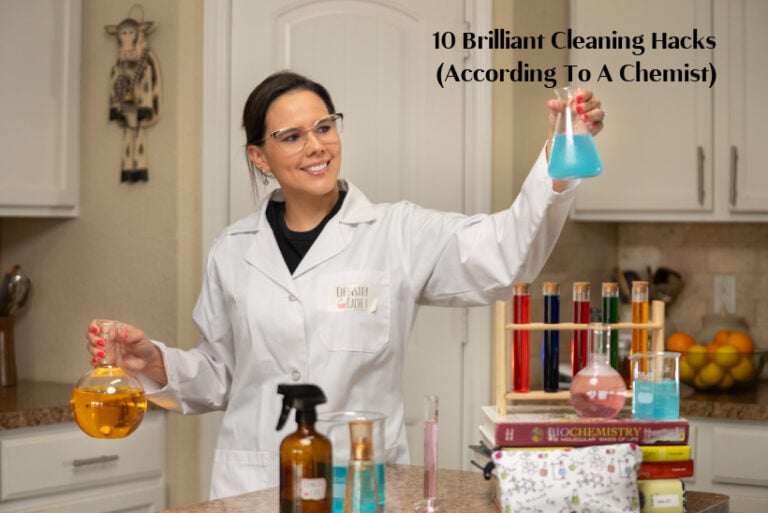
As a chemist, I’ve learned that many household dangers aren’t always obvious. Some have been around for decades, while others develop slowly over time due to moisture or environmental factors. The good news? Knowing what to look for can help you make informed decisions and protect your family’s health.
If you live in an older home (or any home you aren’t familiar with the history on), these are four toxic substances worth knowing about.

Asbestos: The Hidden Fiber Danger
Asbestos is a naturally occurring mineral that was once widely used in construction because of its strength and resistance to heat and fire. Although its use has been heavily restricted for decades, many homes built before 1980 may still contain asbestos in insulation, floor tiles, ceiling materials, roofing products, and pipe wrapping.
The biggest concern with asbestos is what happens when these materials are disturbed. Tiny fibers can become airborne and inhaled, where they may lodge deep in the lungs. Over time, exposure has been linked to serious health conditions including lung cancer, mesothelioma, and asbestosis.
One important thing to remember: asbestos-containing materials are often safest when left undisturbed. Problems typically arise during remodeling, demolition, or repair projects. If you suspect asbestos in your home, avoid disturbing the material and contact a certified professional for testing and evaluation.
Lead: The Silent Threat
Lead is another concern commonly found in older homes, especially those built before 1978 when lead-based paint was banned for residential use.
What makes lead particularly concerning is that exposure often occurs without obvious symptoms. Children are especially vulnerable because even low levels of lead can affect brain development, learning, behavior, and growth.
Lead paint becomes most hazardous when it begins to chip, peel, or deteriorate into dust. Areas that experience frequent wear and tear (windows, doors, trim, stair railings) are often where problems develop first.
As a chemist, one of the simplest prevention tips I recommend is keeping surfaces free of dust with regular damp cleaning. Dry dusting can spread particles into the air, while damp cloths help capture them more effectively.
If you’re renovating an older home, consider lead testing before sanding, scraping, or removing painted surfaces.
Mold: The Moisture-Loving Menace
Mold is one of the most common household issues I hear about, especially in humid climates or homes that have experienced water leaks.
Unlike asbestos and lead, mold is a living organism that thrives in damp environments. Bathrooms, kitchens, laundry rooms, basements, and around windows are all common problem areas.
For some people, mold exposure may cause coughing, sneezing, congestion, skin irritation, headaches, or worsening allergy symptoms. Those with asthma or respiratory conditions may be particularly sensitive.
The chemistry behind mold is actually pretty simple: mold needs moisture to survive. That’s why preventing mold is often less about cleaning and more about controlling humidity and fixing water issues quickly.
A few easy ways to reduce mold growth include:
- Running bathroom exhaust fans during and after showers
- Using kitchen ventilation when cooking
- Repairing leaks promptly
- Keeping indoor humidity levels under control
- Improving airflow in damp areas
Small areas of mold can often be cleaned safely, but widespread growth or recurring mold problems should be evaluated by a professional.
Radon: The Invisible Gas Threat
Radon is one of the least talked-about household hazards, yet it’s the second leading cause of lung cancer after smoking.
This naturally occurring radioactive gas forms in soil and rock and can enter homes through cracks in foundations, floors, crawl spaces, and basement walls. Because radon is colorless and odorless, there’s no way to detect it without testing.
Basements and lower levels of homes tend to have the highest concentrations because radon can accumulate in enclosed spaces over time.
Determining if there is radon in your home will require testing. Many hardware stores sell radon test kits, and professional testing services are also available.
If elevated radon levels are found, mitigation systems can be installed to safely vent the gas and significantly reduce exposure.
Protecting Your Family’s Health
The best defense against hidden household hazards is awareness.
You don’t need to panic if your home is older or if you suspect one of these substances may be present. Instead, focus on learning about your home’s history, paying attention to signs of deterioration, addressing moisture problems quickly, and seeking professional testing when needed.
As a chemist, I always encourage homeowners to make decisions based on evidence and testing rather than fear. A little knowledge can go a long way toward creating a healthier home environment and greater peace of mind for your family.
More Chemistry Cachet Posts to Check Out
If you’re interested in creating a healthier home, you might also enjoy these popular Chemistry Cachet articles:
- How to Remove Hard Water Stains Naturally
- Hidden Places Dirt Hides in Your Home (and How to Clean Them)
- Natural Ways to Repel Flies Around Your Home
- The Science Behind Musty Towels and How to Fix Them
- Why Your Kitchen Drain Smells (and What Actually Works)
- Simple Cleaning Habits That Save Time Every Week
I love sharing practical chemistry tips that help make everyday life easier, healthier, and a little less overwhelming. Be sure to browse more home, cleaning, and wellness articles here on Chemistry Cachet.

About the Author, Alexis
Alexis is an investigative chemist, writer, and mom who loves sharing simple, science-backed tips for a cleaner home, healthier skin, and easier everyday living. Through Chemistry Cachet, she helps busy women and families save time, solve common household problems, and make informed choices with practical chemistry. Follow along on Instagram and Facebook for helpful videos, home hacks, skincare tips, and a behind-the-scenes look at mom life.



Chemistry Hacks For Home and Outdoors
Quick hacks to save time, money, and eliminate unnecessary chemicals!
An easy to use eBook full of over 30+ DIY solutions for cleaning inside and out!