Today we are sharing a simple post on how to identify and eliminate hidden odors in your home.
You’ve cleaned every surface, taken out the trash, and even used an air freshener, but a persistent, unpleasant smell lingers in your home. Often, the source of these odors isn’t obvious. Hidden culprits can release volatile organic compounds (VOCs) into your air, creating stubborn smells that cleaning alone cannot fix.
Identifying and eliminating the sources of hidden odors in your home requires a bit of detective work grounded in science. Don’t miss this follow up post we did on things in your house that smell, and how to fix it fast!
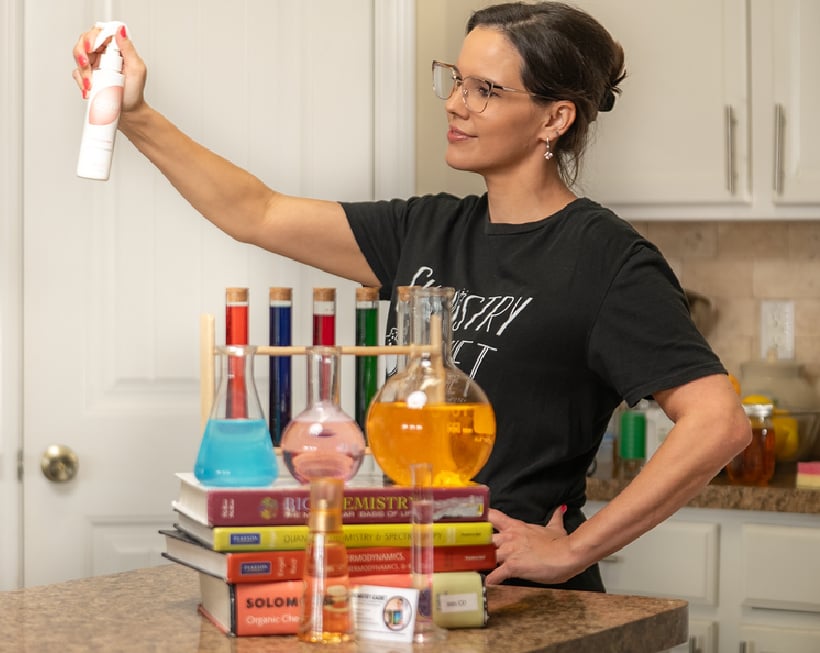
Identifying Hidden Odors
If you aren’t following Chemistry Cachet on instagram yet, be sure to head over to our page, follow and subscribe to notifications to get fun new videos and tips daily! You can also subscribe to our once a month newsletter so you can keep up with the best chemist tips for your home and skin. Chemistry Cachet is 11 years old in 2026! We have helped hundreds of thousands of readers clean better and have much healthier skin. Read more about Alexis’ background here.
Investigate Your HVAC System
Your home’s heating, ventilation, and air conditioning (HVAC) system circulates air throughout every room, making it a primary distributor of odors. Over time, moisture can accumulate within the ductwork or on the evaporator coils, creating a perfect environment for mold and mildew to grow.
As air passes through, it picks up musty-smelling microbial volatile organic compounds (MVOCs) and spreads them. Inspect the visible parts of your system for signs of microbial growth or a musty smell. Change your air filters regularly and understand the importance of ventilation and air exchange for air health. For a deeper issue, consider a professional duct cleaning to clear built-up dust, debris, and potential mold colonies.
Search for Hidden Water Damage
Moisture is a leading cause of persistent odors. You may not notice a slow leak under a sink, behind a wall, or in the attic for months, allowing mold and bacteria to thrive. These microorganisms break down building materials like wood and drywall, releasing foul-smelling gases in the process.
Look for subtle signs of water damage, such as peeling paint, discolored spots on ceilings or walls, or warped flooring. Once you locate the moisture source, you must repair the leak and thoroughly dry the affected area. Removing and replacing damaged materials is often necessary to completely eliminate the odor-producing microbial growth.
Uncover Trapped Organic Residues
Organic matter is a feast for odor-causing bacteria. This is probably the number one cause for hidden odors in the home! Spills that seep into porous surfaces like carpets, grout, or unsealed wood can create lasting smells long after you’ve cleaned the surface. Pet accidents, food spills, kitchen drains or even a forgotten piece of fruit can become a source of decomposition odors.
Understanding the science behind odor removal is helpful for tackling organic residues like these. Enzymatic cleaners are highly effective for these situations. Unlike regular soaps, these cleaners contain specific enzymes that chemically break down the organic molecules responsible for the odor, such as uric acid in pet urine, into non-odorous compounds like carbon dioxide and water.
By systematically checking these common hidden sources of odors throughout your home, you can move beyond temporarily masking smells and address the root cause, restoring fresh, clean air to your home.
Keep Your Home Smelling Good With These Non-Toxic Tips:
- Non-Toxic Ways To Make Your Home Smell Good
- Chemist Tips To Make Your Home Smell Amazing For The Holidays
- How To Make Your Home Smell Like Fall
- Simple Tricks To Make Your Home Smell Amazing In Minutes
Subscribe To Our Monthly Newsletter:
We send out one fun newsletter at the first of each month, be sure to subscribe so you won’t miss out!

Chemistry Hacks For Home and Outdoors
Quick hacks to save time, money, and eliminate unnecessary chemicals!
An easy to use eBook full of over 30+ DIY solutions for cleaning inside and out!